
Trusted Epidemiology Consulting
Delivering Strategic Insights, Regulatory-Grade Evidence, and Real-World Public Health Impact
At BioEpiNet, we deliver high-impact epidemiology consulting that helps life sciences companies, health agencies, and global health teams generate credible, actionable, and timely evidence. Our PhD-trained epidemiologists, physician-scientists, and biostatisticians work across the full research spectrum — from hypothesis generation to regulatory submission — ensuring your evidence stands up to scientific, policy, and market demands.
Whether you’re analyzing real-world data, estimating disease burden, or synthesizing evidence for a health technology assessment (HTA), we bring the methodological rigor and domain expertise needed to move your project forward with confidence.
Core Epidemiology Services
1. Pharmacoepidemiology & Safety Studies
Lead observational research including cohort, registry-based and database studies, for disease understanding or post-market safety studies. Evaluate post-marketing safety, comparative effectiveness, external control arms (ECA), and treatment utilization using real-world data. Designed for regulatory submissions, market access, and RWE generation.
2. Systematic Literature Reviews, Meta-Analyses & Evidence Synthesis
Review and synthesize epidemiological literature. Accelerate decision-making and strengthen your evidence base with structured literature reviews, quantitative meta-analyses, and comprehensive evidence synthesis — ideal for HTA, scientific publication, and regulatory dossiers.
3. Disease Burden, Incidence & Prevalence Estimation
Provide estimates of disease incidence and prevalence, disease progression and disease-specific risk factors. Generate population-level insights to support epidemiologic modeling, market sizing, clinical trial planning, and forecasting.
4. Real-World Data (RWD) & Advanced Analysis
Leverage EHR, claims, and registries to answer critical questions about treatment outcomes, population trends, and cost-effectiveness — using causal inference, survival analysis, and longitudinal modeling.
5. Study Design & Protocol Development
Design, conduct, and interpret large database studies and cohort studies. Design robust studies — observational, quasi-experimental, or hybrid — aligned with regulatory, academic, or funding body requirements.
6. Scientific, Grant & Regulatory Writing
We write and support complete documentation — from protocols and SAPs to NIH/CDC proposals, regulatory filings, and peer-reviewed manuscripts.
Who We Serve
We support:
- Pharma & Biotech – for strategic epidemiology, regulatory submissions, and value dossiers
- Government & Public Health Agencies – conducting surveillance, program evaluation, and outbreak modeling
- Digital Health & HealthTech – generating and validating evidence for AI/ML, diagnostics, and digital therapeutics
- Academic Researchers & Consortia – for advanced study design, data analysis, and grant development
- Global Health NGOs – leading population health assessments in low-resource or cross-border settings
Why Choose BioEpiNet?
- PhD-trained epidemiologists with clinical and academic depth
- Expertise in causal inference, HTA, external comparators, Bayesian methods, and more
- RWD fluency across EHR, claims, registries, and public health surveillance systems
- Reproducible workflows in R, Stata, SAS, and Python
- Flexible collaboration — project-based, retainer, or embedded team support
Let’s Talk About Your Project
Whether you’re exploring an idea or launching a regulatory-grade study, BioEpiNet is ready to help.
From Data to Impact: How Epidemiology Drives Smarter Decisions in Pharma and Public Health
In an era of real-world data, fast-moving outbreaks, and regulatory scrutiny, the role of epidemiology has never been more vital. At BioEpiNet, we help teams translate complex data into credible, actionable, and timely evidence — from early-phase planning to health technology assessment (HTA) submission.
Here’s how epidemiology is helping our clients get to smarter, faster decisions.
1. Real-World Evidence for Regulatory & Market Access
Epidemiology is the backbone of real-world evidence (RWE) — essential for regulatory filings, external control arms (ECAs), and payer dossiers.
Example: A biotech client needed an ECA to support an oncology trial submission. We designed and executed a methodologically sound EHR-based study using causal inference methods. The result? Acceptance into a regulatory-grade submission with confidence in effect estimates.
Our tools: Propensity scores, marginal structural models, survival analysis, and causal diagrams tailored for publication and FDA/EMA review.
2. Epidemiology as a Strategic Lens — Not Just a Tool
Beyond analytics, epidemiology informs portfolio prioritization, market sizing, and pipeline development. When clients need to understand disease burden or geographic patterns, we deliver robust incidence and prevalence estimates — often disaggregated by sex, region, or age.
Use Case: A global health NGO used our estimates of hepatitis C prevalence in West Africa to guide $20M in funding allocation and diagnostic deployment.
3. Pharmacoepidemiology & Safety That Holds Up to Scrutiny
Post-market surveillance is a core need for modern pharma and digital therapeutics. We support clients in evaluating:
- Medication safety & tolerability
- Comparative effectiveness
- Utilization trends
- Risk-benefit profiles
All using real-world data sources — from EHRs to claims to patient registries.
4. Evidence Synthesis that Tells a Story
Systematic reviews and meta-analyses are more than boxes to check — they are strategic levers for HTA, reimbursement, and strategic positioning. Our epidemiologists craft clear, quantitative syntheses that drive decisions and publication impact.
Where Rigor Meets Strategy
At BioEpiNet, our clients trust us because we combine:
- PhD-trained epidemiologists & MDs
- Methodologic rigor (causal inference, HTA frameworks, Bayesian analysis)
- Domain fluency in oncology, rare disease, cardiometabolic health, infectious disease, and more
We don’t just analyze data — we co-create strategy, elevate credibility, and accelerate insight.
Ready to Strengthen Your Next Epidemiology Study?
Whether you’re launching a real-world study, preparing an HTA submission, or conducting a global burden analysis, BioEpiNet brings the experience and precision to help you succeed.
Request Your Free Epidemiology Consultation
Let’s explore how we can support your next step — with speed, rigor, and clarity.
The Role of Clinical Researchers and Epidemiologists in Advancing Medical Science
Throughout medical history, breakthroughs in science have transformed how we prevent, diagnose, and manage disease. From vaccines and public health interventions to gene therapy and precision medicine, these advancements are driven by rigorous research — and at the center of that progress stand clinical researchers and epidemiologists.
The past decade has seen unprecedented innovation:
- Gene-editing tools like CRISPR-Cas9 have opened the door to treating genetic conditions such as sickle cell disease.
- Targeted therapies are revolutionizing cancer care by “drugging the undruggable” and matching treatments to tumor mutations.
- Blood-based diagnostics for Alzheimer’s, remote monitoring, and AI-powered triage tools are reshaping clinical practice.
- Even amidst a global pandemic, rapid vaccine development and global epidemiologic surveillance changed the course of history.
Epidemiology and Clinical Research: Driving Innovation from Discovery to Delivery
At the core of every scientific breakthrough is structured inquiry. Clinical researchers conduct multiphase trials to assess the safety and efficacy of new therapies, often supported by strong epidemiologic design and statistical rigor. These trials have yielded new standards of care — such as using immunotherapy for prostate cancer instead of traditional surgery — and continue to improve health outcomes worldwide.
Meanwhile, epidemiologists play a foundational role in understanding disease distribution, identifying risk factors, and informing prevention strategies. Whether conducting population-based surveillance, evaluating treatment effectiveness using real-world data, or supporting vaccine development, their insights shape global health decisions.
At BioEpiNet, our epidemiology consultants are deeply engaged in:
- Designing and analyzing observational studies and external control arms
- Estimating incidence and prevalence to inform trial design and forecasting
- Conducting systematic literature reviews and meta-analyses for HTA and regulatory dossiers
- Supporting real-world evidence strategies using EHR, claims, and registry data
- Leading pharmacoepidemiology studies for post-market safety and effectiveness
Beyond Today: Predicting and Preventing the Diseases of Tomorrow
The power of clinical research and epidemiology doesn’t end with solving current health challenges. These disciplines are essential to forecasting future trends, anticipating outbreaks, and designing more resilient health systems. With access to historical data, robust methods, and expert interpretation, we can now model disease trajectories, identify high-risk populations, and build proactive health strategies.
This future-facing capability—strengthened by real-world data analysis, causal inference, and advanced modeling—is at the heart of what BioEpiNet delivers.
Book Your Free Consultation!
You can message us and we will respond promptly.
Why Clients Choose BioEpiNet
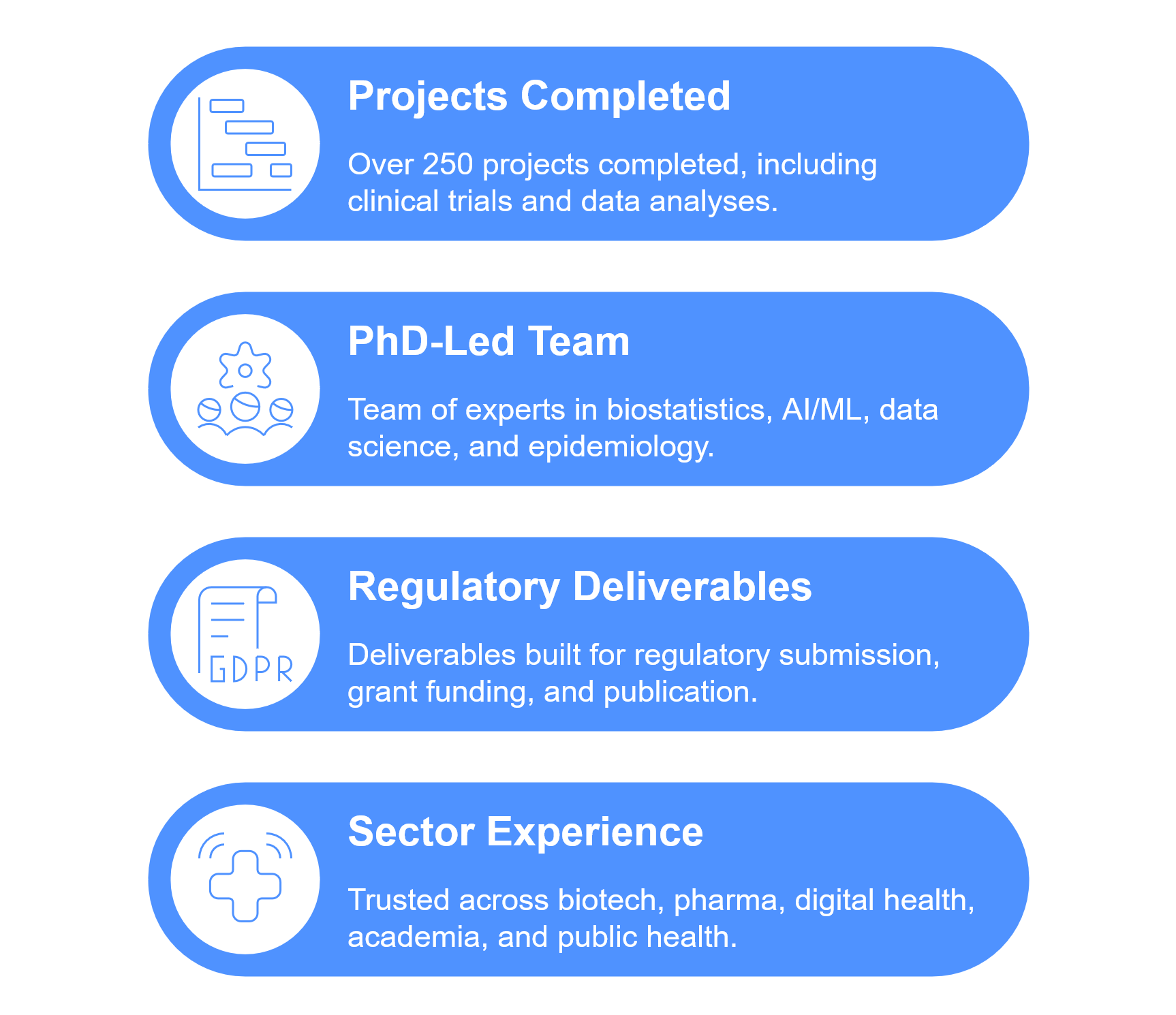
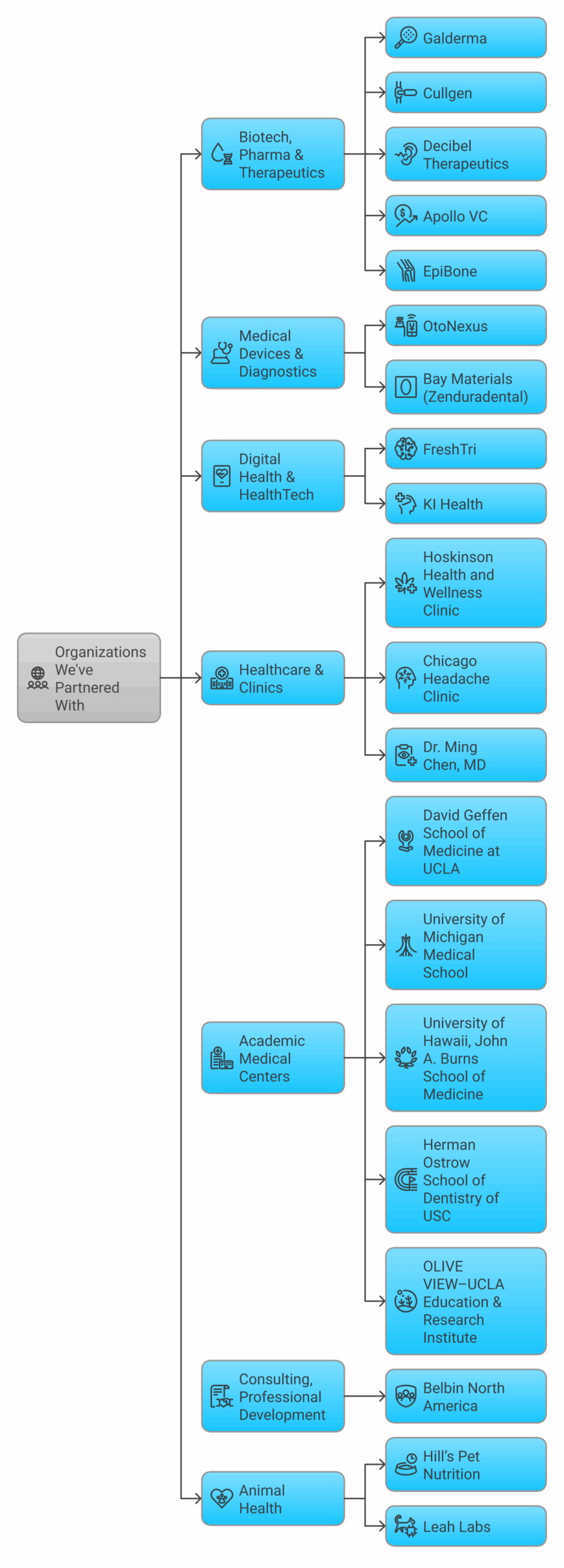
Clients We've Helped
Trusted by Leading Innovators Across Health, Life Sciences, Tech, and Academia
Partners in Progress
From clinical trials to innovation strategy — we help our partners make measurable impact
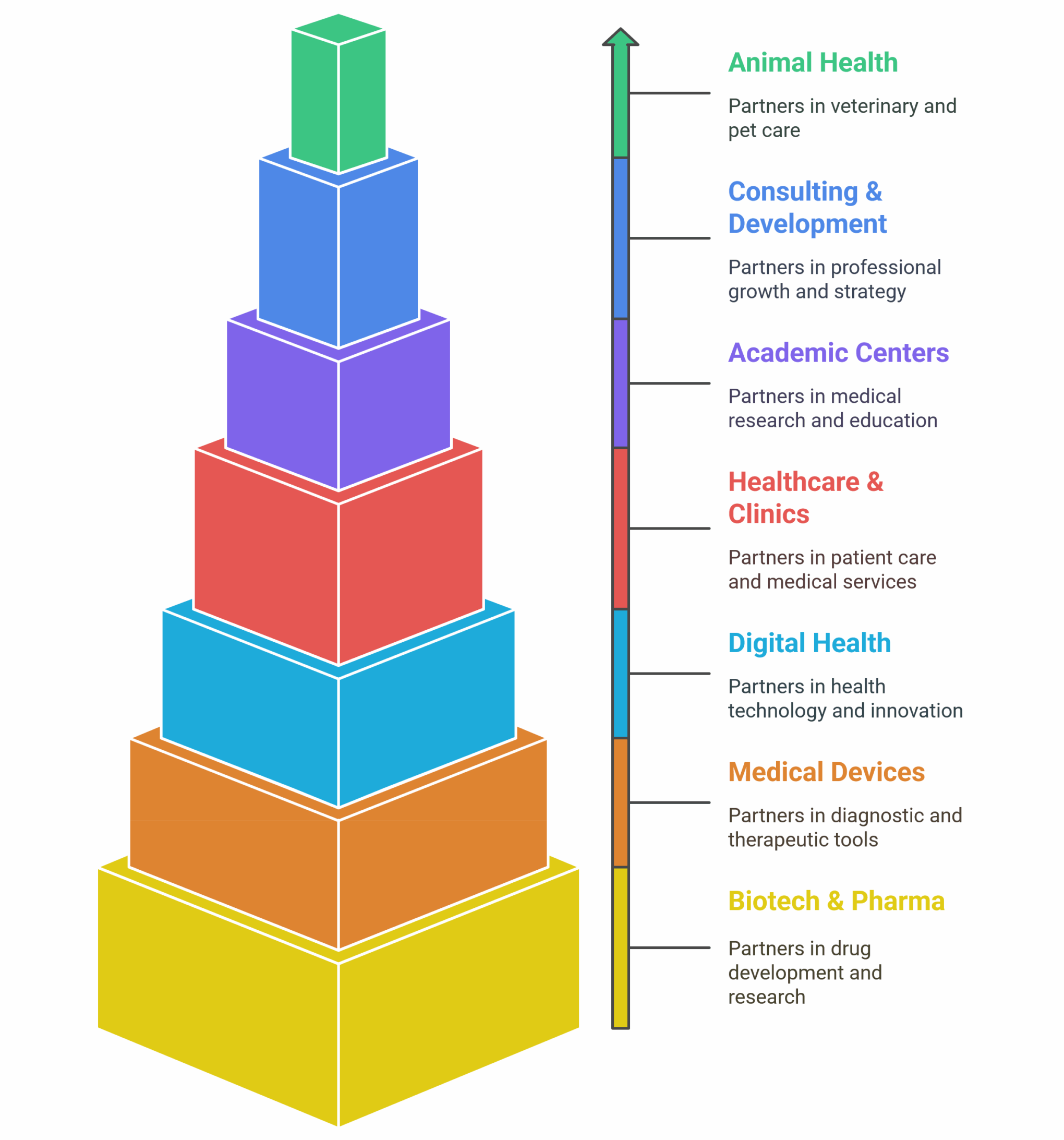
Partner with world-class experts to elevate your research and development projects. Let our network of accomplished scientists help you achieve impactful results.
Get Expert ConsultationAbout Us

Our consulting network consists of highly educated and experienced scientists, many of whom have Ph.D. degrees from leading American universities … Read More